

Restoring The Quiet Mind: Addressing PTSD With MeRT In Austin

Magnetic e-Resonance Therapy is an innovative approach to addressing brain imbalances caused by conditions like PTSD, anxiety, and depression. Unlike traditional treatments, which often rely on medications or invasive procedures, this therapy uses a non-invasive method to help restore the brain’s natural balance. The process involves carefully mapping the brain’s electrical activity, identifying areas that may be underperforming, and using magnetic pulses to stimulate those areas. This personalized treatment is designed to retrain the brain, improving its overall function.
The therapy is completely non-invasive, meaning no surgery, needles, or medications are required. Sessions are typically short, lasting about 30 minutes, and most patients find the treatment to be relaxing. Over time, MeRT aims to provide long-term relief by synchronizing brain regions, thereby improving mood, sleep quality, and emotional well-being.
What is MeRT and How Does It Help PTSD?
Magnetic e-Resonance Therapy is a cutting-edge treatment that uses non-invasive magnetic stimulation to improve brain function. This method targets areas of the brain that are out of sync due to trauma, aiming to restore them to their natural, balanced state. The therapy differs from traditional treatments because it doesn’t rely on medication. Instead, it uses a personalized, data-driven approach that combines brain mapping with magnetic pulses to stimulate specific brain areas.
For individuals living with PTSD in Austin, this personalized approach can be particularly beneficial. By mapping the brain’s activity before treatment, the Brain Treatment Center North Austin tailors each session to the individual’s specific needs. This helps address areas of imbalance or dysfunction that contribute to the emotional and psychological symptoms of PTSD, such as heightened anxiety and hypervigilance.
The Connection Between PTSD and Brain Function
PTSD can alter the brain’s natural rhythms. Often, individuals with PTSD face a disruption in the communication between the brain’s various regions. The areas responsible for emotional regulation and memory can become overactive, while those involved in relaxation and processing may become underactive. As a result, the brain struggles to appropriately regulate emotions and responses.
The MeRT therapy works by stimulating specific brain regions with magnetic pulses, helping them synchronize and work together more efficiently. By targeting these areas, the therapy can help re-establish the balance that is often lost during traumatic events. For residents dealing with PTSD, MeRT in Austin offers a promising path to better mental health and stability.
How MeRT Works
Magnetic e-Resonance Therapy is a non-invasive treatment designed to help restore balance to the brain’s electrical activity. The process is personalized and targets areas that may be underperforming due to conditions like PTSD, depression, or anxiety. Here’s how it works:
- Brain Mapping with EEG
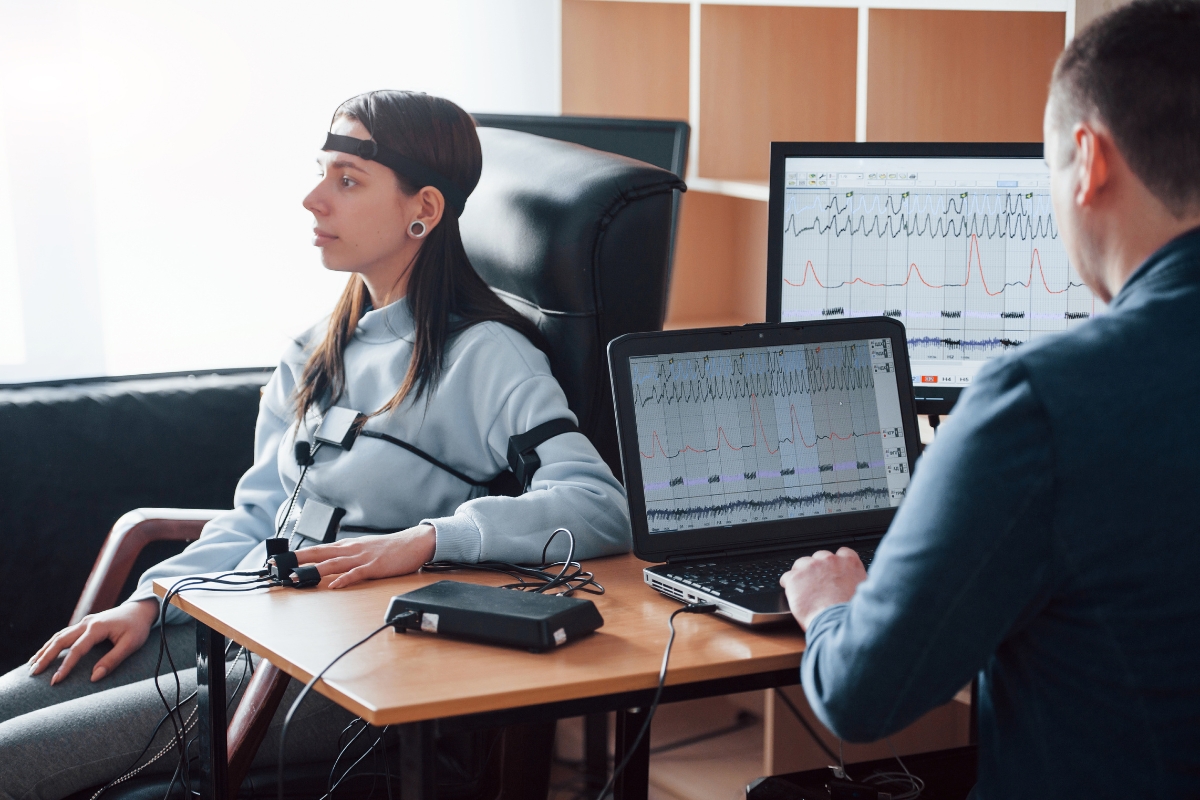
The process starts with a comprehensive brain map using an electroencephalogram (EEG). This test measures the brain’s electrical activity and identifies regions that need attention. - Customized Treatment Plan
Based on the brain map results, the team customizes a treatment plan to target the specific areas that are out of balance or underperforming. - Magnetic Stimulation
During each session, painless magnetic pulses are delivered to the scalp. These pulses stimulate the brain to help restore its natural, synchronized function. - Non-invasive and Relaxing
The treatment is completely non-invasive; no needles, surgery, or medications are involved. Most patients report feeling relaxed during their sessions with minimal side effects. - Duration and Frequency
Each session typically lasts around 30 minutes. The frequency of sessions depends on individual needs, with improvements often occurring over time as the brain’s regions become more synchronized. - Long-term Benefits
As the treatment progresses, many individuals notice significant improvements in symptoms such as anxiety, sleep disturbances, and emotional numbness.
The Benefits of MeRT for PTSD
Magnetic e-Resonance Therapy offers several key benefits for individuals coping with PTSD in Austin:
- Non-invasive and drug-free: Unlike medications, which can have a range of side effects, the therapy is a non-invasive treatment that doesn’t involve pharmaceuticals.
- Personalized care: With brain mapping, each treatment is tailored to the patient’s unique needs, ensuring optimal results.
- Improvement in sleep and emotional regulation: Many individuals with PTSD struggle with sleep disturbances and emotional volatility. The therapy helps restore balance in the brain’s sleep centers and emotional regulation pathways.
- Lasting results: While some treatments offer temporary relief, MeRT aims to provide long-lasting benefits by retraining the brain to function more effectively.
- Minimized side effects: Most patients report feeling relaxed during the sessions with very few side effects afterward.
For residents in Austin, the therapy provides an innovative and effective solution to the struggles of PTSD, addressing the underlying brain imbalances that contribute to the condition.
What to Expect During MeRT Treatment
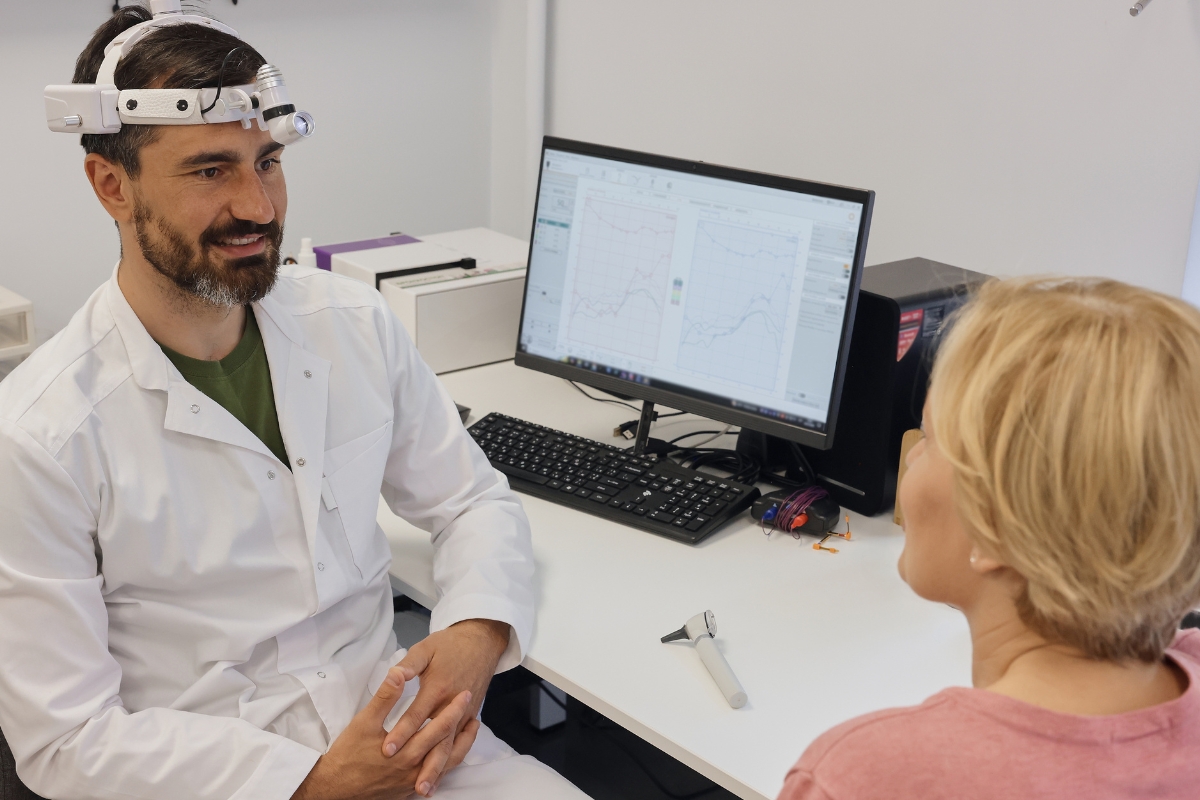
The treatment begins with a consultation with the team. During this meeting, the provider will discuss your medical history, symptoms, and treatment goals. You’ll then undergo an EEG to map your brain’s activity, which helps the team design a personalized treatment plan.
Once the treatment plan is in place, you’ll begin your sessions. Each session is typically brief and comfortable, and patients often report feeling relaxed and calm. Over time, as you attend your sessions, you may begin to notice improvements in your symptoms. Some people report better sleep, reduced anxiety, and improved overall emotional well-being.
Taking the First Step Toward Healing
For those living with PTSD in Austin, Magnetic e-Resonance Therapy offers a promising approach to restoring brain health and emotional well-being. This personalized, non-invasive therapy has helped countless individuals regain control over their lives and begin the healing process after trauma. If you’re struggling with PTSD and are looking for a fresh, effective approach to treatment, Brain Treatment Center North Austin is here to help.
Taking the first step toward recovery can feel daunting, but with MeRT, you don’t have to face it alone. Reach out today to schedule a consultation and learn more about how the therapy can support your journey toward a quieter mind and a healthier life.
Questions People Ask About MeRT
- What is MeRT, and how does it work?
MeRT (Magnetic e-Resonance Therapy) uses targeted magnetic pulses to restore balance to the brain. By mapping the brain’s electrical activity, MeRT personalizes treatment to address areas needing support, helping with conditions like PTSD and anxiety. - How long does MeRT treatment take?
Each MeRT session lasts about 30 minutes, with treatments typically scheduled several times a week. The overall duration depends on individual needs, progress, and the condition being treated, with some patients requiring more sessions than others. - Is MeRT safe?
Yes, MeRT is a non-invasive procedure with minimal side effects. Most patients find the sessions relaxing, and there’s no discomfort during or after treatment, making it a safe option for restoring brain health. - How soon will I see results from MeRT?
Results vary by individual, but many people notice improvements in symptoms like anxiety and sleep disturbances after a few sessions. While some may see benefits sooner, others may require a longer course of treatment to achieve significant changes. - Can MeRT be used for conditions other than PTSD?
Yes, MeRT is effective for treating various conditions, including depression, anxiety, and chronic pain. By targeting brain imbalances, it helps improve emotional regulation, sleep, and overall well-being for a range of neurological and psychological issues.

Take the First Step in Finding out if You might Benefit
Our New Patient Coordinator is here for you. She will take the time to listen to your concerns and carefully explain all the details and information you need. She can answer any questions that you may have. If, after this, you would like to schedule a consultation with the Doctor, she can do that.